Recipe Card
Dark, tangy, deeply spiced chickpeas simmered in a classic Punjabi masala. Naturally vegan, endlessly comforting, and better than any restaurant version.
Ingredients
- 1½ cups (300 g) dried kabuli chana (chickpeas)
- 1 tsp baking soda, for soaking
- 1 black tea bag or 3 pieces dried amla
- 1 tsp salt, for cooking chickpeas, plus more to taste
- 3 tbsp oil or ghee
- 1 tsp cumin seeds
- 2 black cardamom pods, lightly crushed
- 1-inch cinnamon stick
- 4 cloves
- 1 bay leaf
- 2 large onions (about 350 g), finely chopped
- 1 tbsp ginger-garlic paste
- 1 tbsp grated fresh ginger, plus 1-inch ginger cut into juliennes for garnish
- 3 medium tomatoes (about 350 g), finely chopped or puréed
- 2 green chillies, slit lengthwise
- 1 tsp turmeric powder
- 1 tbsp coriander powder
- 1 tsp Kashmiri red chilli powder, plus hot chilli powder to taste
- 1½ tbsp chana masala powder, divided
- 1 tsp anardana powder (or 1½ tsp amchur as substitute)
- ½ tsp black salt (kala namak), optional but recommended
- 2 tbsp chopped fresh coriander leaves
Instructions
- Soak the chickpeas (night before). Rinse the dried chickpeas and place in a large bowl with plenty of cold water — they will triple in volume. Stir in the baking soda and soak 8–12 hours or overnight. The baking soda softens the skins for a creamier result; do not skip it.
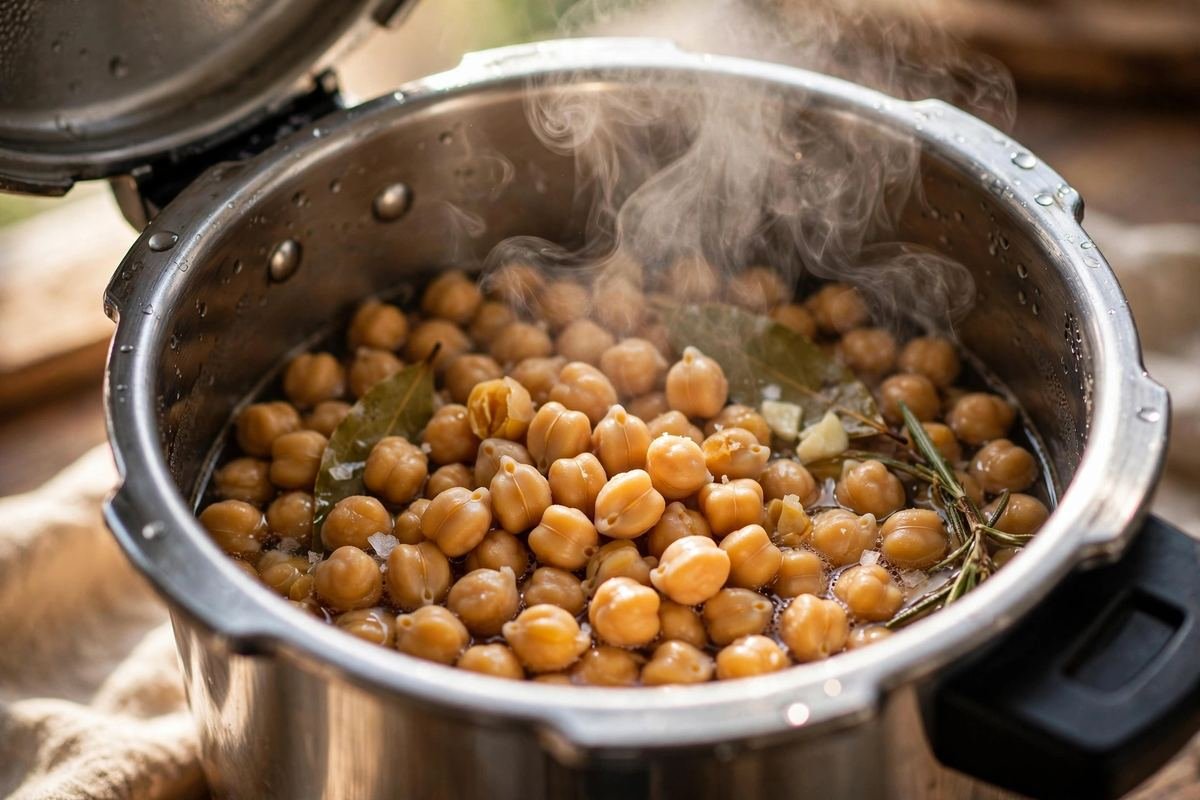
- Pressure-cook until tender. Drain and rinse the soaked chickpeas. Add to the pressure cooker with fresh water to cover by 2 inches, 1 teaspoon salt, and the tea bag or dried amla. Pressure cook for 5–6 whistles (about 20–25 minutes), then let the pressure release naturally for 10 minutes. The chickpeas should crush easily between your fingers but still hold their shape. Fish out and discard the tea bag or amla. Reserve the dark cooking liquid — it is liquid gold for the gravy.
- Bloom the whole spices. Heat the oil or ghee in a heavy kadhai over medium heat. Add the cumin seeds, black cardamom, cinnamon, cloves, and bay leaf. Sizzle 30–40 seconds until the cumin darkens and the oil smells smoky-sweet from the black cardamom. Keep the heat moderate to avoid bitterness.
- Brown the onions deeply. Add the chopped onions with a pinch of salt and cook over medium heat for 12–15 minutes, stirring regularly, until they turn a deep, rich brown — darker than for most curries. This deep caramelisation is what gives chana masala its dark, complex gravy. Scrape the browned bits from the base as you stir.
- Cook the aromatics and tomatoes. Stir in the ginger-garlic paste and grated ginger; cook 1–2 minutes until the raw smell fades. Add the tomatoes, turmeric, coriander powder, Kashmiri chilli powder, half the chana masala powder, and the green chillies. Cook over medium heat for 8–10 minutes, mashing the tomatoes, until the masala is thick, dark, and glossy with oil separating at the edges.
- Combine chickpeas and masala. Add the cooked chickpeas along with 1½ cups of their reserved dark cooking liquid. Stir well, bringing everything to a boil. Using the back of your spoon or a potato masher, lightly crush about a quarter of the chickpeas against the side of the kadhai — this is the traditional thickener, giving the gravy body without any flour or cream.
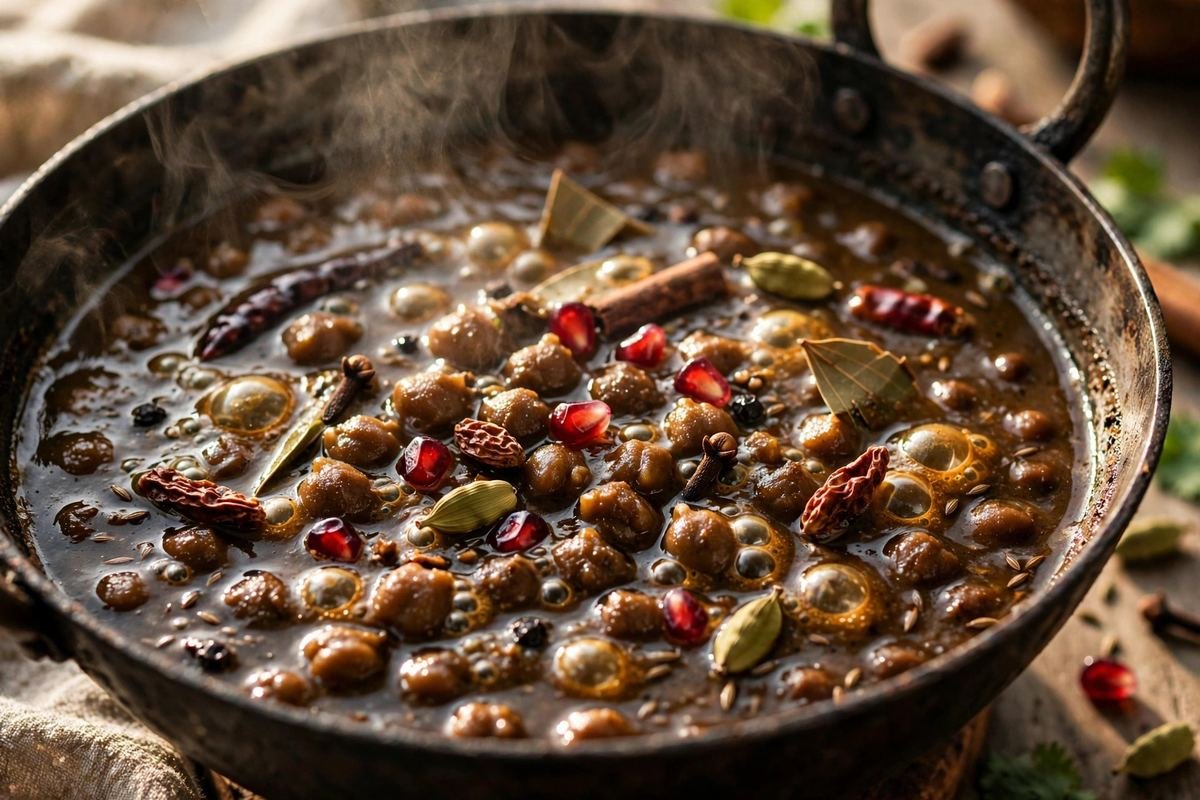
- Simmer low and slow. Reduce to a gentle simmer and cook uncovered for 15–20 minutes, stirring occasionally, until the gravy thickens to a rich, clinging consistency and turns a deep mahogany colour. This slow simmer is where the chickpeas absorb the masala — do not rush it. Add splashes of the reserved liquid if it gets too thick.
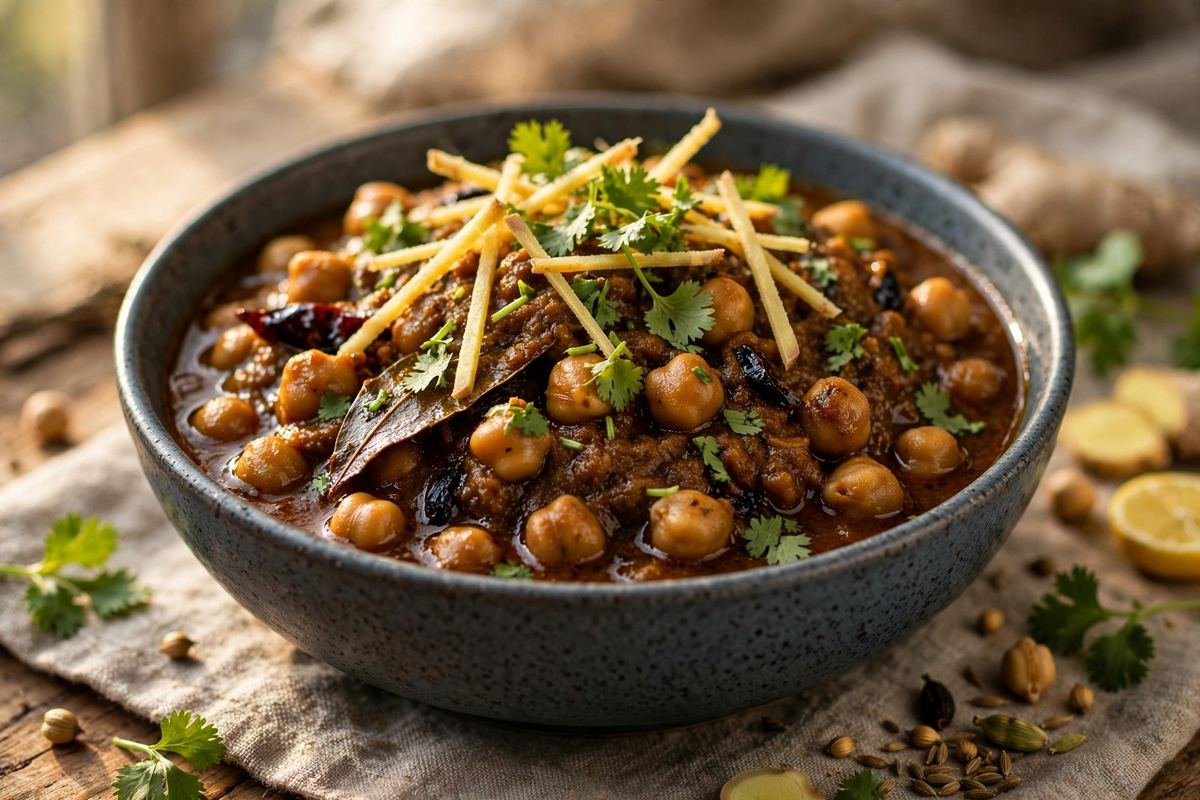
- Finish with tang and spice. Stir in the anardana powder, black salt (if using), and the remaining chana masala powder. Simmer 3–4 minutes more. Taste carefully and adjust: salt first, then tang (a little more anardana or amchur if it needs brightness), then heat. Turn off the heat, cover, and rest 10 minutes. Garnish with ginger juliennes and fresh coriander before serving.
Tip: Read through the full post below for step-by-step photos, pro tips, variations and FAQs before you start cooking.
Punjab’s Gift to the World
If Indian food has an ambassador, it might be chana masala. From the dhabas of Amritsar to office canteens in London to home kitchens in New Jersey, this dark, tangy chickpea curry is the dish that converts sceptics — the one vegetarians order with total confidence and meat-eaters steal spoonfuls of. Its fame is well earned: humble dried chickpeas, transformed by an overnight soak and a slow simmer into something creamy inside and deeply savoury, wrapped in a masala that is sour, spicy, and dark as mahogany.
The authentic Punjabi version — the one this recipe follows — gets its signature near-black colour and tangy depth from two old tricks: dried amla (Indian gooseberry) or a black tea bag simmered with the chickpeas, which darkens them dramatically, and anardana (dried pomegranate seeds) or amchur in the masala for sourness without the sharpness of lemon. The result is a curry that tastes complex and slow-cooked even when it has not been: earthy chickpeas, caramelised onions, and a spice blend led by chana masala powder, with its distinctive notes of black cardamom and pomegranate.
What makes chana masala special among curries is its texture. The chickpeas should be completely tender — yielding to the gentlest pressure — while holding their shape, suspended in a thick masala that clings rather than pools. A few chickpeas mashed against the side of the pot at the end give the gravy body without any cream or thickener. It is naturally vegan, packed with protein and fibre, and somehow tastes indulgent despite being one of the healthiest curries in the Indian repertoire.
This is also a dish with strong opinions attached — every Punjabi family swears theirs is definitive. Our version honours the classic dhaba style: dark chickpeas, a robust onion-tomato masala, whole spices bloomed in ghee or oil, and a finish of ginger juliennes and fresh coriander. Make it once from dried chickpeas and you will understand why the canned shortcut, while acceptable in a pinch, is never quite the same.
Why You’ll Love This Recipe
- Authentic dark colour and tang — the tea-bag and anardana tricks deliver the real dhaba look and taste.
- Naturally vegan and wholesome — protein- and fibre-rich with no cream, no dairy, no compromise.
- Pantry-friendly — dried chickpeas and ground spices; nothing exotic or expensive required.
- Meal-prep champion — tastes even better on day two and reheats like a dream.
- Crowd-pleasing — the rare curry that vegans, vegetarians, and omnivores all fight over equally.
- Freezer-friendly — batch-cook and freeze portions for instant future dinners.
Key Ingredients Explained
Dried chickpeas (kabuli chana): The foundation, and worth the overnight soak. Dried chickpeas cook up creamier, nuttier, and more flavourful than canned, and they absorb the dark colour from the tea/amla during pressure cooking in a way canned ones never will. Choose large, uniform kabuli chana; older beans (sitting in the pantry for a year) cook unevenly, so buy fresh stock. Soak for 8–12 hours in plenty of water with 1 teaspoon of baking soda — the alkaline water softens the skins and guarantees creamy, not chalky, chickpeas.
Black tea bag or dried amla: The colour secret. A plain black tea bag (or 2–3 pieces of dried amla) simmered with the chickpeas stains them a deep, appetising brown-black — the hallmark of real Amritsari chole. It adds no tea flavour at normal quantities, only colour. Remove and discard before making the masala.
Anardana (dried pomegranate seeds): The soul of chana masala’s tang. Anardana gives a deep, fruity sourness that lemon juice cannot replicate — it is darker, rounder, and more complex. If you cannot find it, amchur (dried mango powder) is the closest substitute; use lemon juice only as a last resort, added at the very end.
Chana masala powder: A pre-blended spice mix dominated by coriander, cumin, anardana, black cardamom, and black salt. A good store-bought blend (MDH and Everest are the benchmarks) is genuinely excellent — this is one mix where the commercial version is hard to beat at home. Add it in two stages: half cooked into the masala, half at the end for fresh punch.
Onions and tomatoes: The masala base, cooked long and dark. For chana masala the onions go further than golden — a deep brown gives the gravy its characteristic depth. Tomatoes are cooked until they completely melt and the oil separates.
Black cardamom: One or two pods, used whole in the tempering, lend a smoky, camphorous note that is the quiet signature of a great chole. Do not substitute green cardamom — the flavour is entirely different.
Ginger: Grated into the masala and cut into juliennes for garnish. The fresh ginger on top is traditional and essential — its sharp heat lifts the earthy chickpeas beautifully.
Equipment You’ll Need
- Pressure cooker — the fastest reliable way to get perfectly tender chickpeas (stovetop or electric both work)
- Heavy kadhai or deep pan — for the long-cooked masala
- Large bowl — for the overnight soak
- Slotted spoon and potato masher — for handling chickpeas and mashing a few for body
- 1½ cups (300 g) dried kabuli chana (chickpeas)
- 1 tsp baking soda, for soaking
- 1 black tea bag or 3 pieces dried amla
- 1 tsp salt, for cooking chickpeas, plus more to taste
- 3 tbsp oil or ghee
- 1 tsp cumin seeds
- 2 black cardamom pods, lightly crushed
- 1-inch cinnamon stick
- 4 cloves
- 1 bay leaf
- 2 large onions (about 350 g), finely chopped
- 1 tbsp ginger-garlic paste
- 1 tbsp grated fresh ginger, plus 1-inch ginger cut into juliennes for garnish
- 3 medium tomatoes (about 350 g), finely chopped or puréed
- 2 green chillies, slit lengthwise
- 1 tsp turmeric powder
- 1 tbsp coriander powder
- 1 tsp Kashmiri red chilli powder, plus hot chilli powder to taste
- 1½ tbsp chana masala powder, divided
- 1 tsp anardana powder (or 1½ tsp amchur as substitute)
- ½ tsp black salt (kala namak), optional but recommended
- 2 tbsp chopped fresh coriander leaves
Instructions
- Soak the chickpeas (night before). Rinse the dried chickpeas and place in a large bowl with plenty of cold water — they will triple in volume. Stir in the baking soda and soak 8–12 hours or overnight. The baking soda softens the skins for a creamier result; do not skip it.
- Pressure-cook until tender. Drain and rinse the soaked chickpeas. Add to the pressure cooker with fresh water to cover by 2 inches, 1 teaspoon salt, and the tea bag or dried amla. Pressure cook for 5–6 whistles (about 20–25 minutes), then let the pressure release naturally for 10 minutes. The chickpeas should crush easily between your fingers but still hold their shape. Fish out and discard the tea bag or amla. Reserve the dark cooking liquid — it is liquid gold for the gravy.
- Bloom the whole spices. Heat the oil or ghee in a heavy kadhai over medium heat. Add the cumin seeds, black cardamom, cinnamon, cloves, and bay leaf. Sizzle 30–40 seconds until the cumin darkens and the oil smells smoky-sweet from the black cardamom. Keep the heat moderate to avoid bitterness.
- Brown the onions deeply. Add the chopped onions with a pinch of salt and cook over medium heat for 12–15 minutes, stirring regularly, until they turn a deep, rich brown — darker than for most curries. This deep caramelisation is what gives chana masala its dark, complex gravy. Scrape the browned bits from the base as you stir.
- Cook the aromatics and tomatoes. Stir in the ginger-garlic paste and grated ginger; cook 1–2 minutes until the raw smell fades. Add the tomatoes, turmeric, coriander powder, Kashmiri chilli powder, half the chana masala powder, and the green chillies. Cook over medium heat for 8–10 minutes, mashing the tomatoes, until the masala is thick, dark, and glossy with oil separating at the edges.
- Combine chickpeas and masala. Add the cooked chickpeas along with 1½ cups of their reserved dark cooking liquid. Stir well, bringing everything to a boil. Using the back of your spoon or a potato masher, lightly crush about a quarter of the chickpeas against the side of the kadhai — this is the traditional thickener, giving the gravy body without any flour or cream.
- Simmer low and slow. Reduce to a gentle simmer and cook uncovered for 15–20 minutes, stirring occasionally, until the gravy thickens to a rich, clinging consistency and turns a deep mahogany colour. This slow simmer is where the chickpeas absorb the masala — do not rush it. Add splashes of the reserved liquid if it gets too thick.
- Finish with tang and spice. Stir in the anardana powder, black salt (if using), and the remaining chana masala powder. Simmer 3–4 minutes more. Taste carefully and adjust: salt first, then tang (a little more anardana or amchur if it needs brightness), then heat. Turn off the heat, cover, and rest 10 minutes. Garnish with ginger juliennes and fresh coriander before serving.
Pro Tips for Perfect Results
- Do not skip the overnight soak. Unsoaked chickpeas cook unevenly — creamy outside, chalky inside. Eight hours minimum, twelve is ideal.
- Baking soda is the tenderness trick. It softens the skins so the chickpeas turn creamy rather than grainy. Rinse well after soaking so no soapy taste remains.
- Save the cooking liquid. That dark, starchy liquor is the best possible gravy base — far superior to plain water for both colour and flavour.
- Brown the onions darker than you think. Deep brown, not golden, is the target. The colour and depth of the final gravy depend on it.
- Mash some chickpeas for body. Crushing a quarter of them is the authentic, no-cream way to a thick, clinging gravy.
- Layer the chana masala powder. Half cooked into the masala for depth, half at the end for fresh, punchy aroma — the difference is remarkable.
- Rest before serving. Ten covered minutes lets the chickpeas drink in the masala and the tang settle into balance.
- Adjust tang last. Anardana’s sourness blooms as the curry sits; season, rest, taste again, and only then decide if it needs more.
Variations to Try
Amritsari chole: The bhature companion — make the gravy slightly thinner and more intensely tangy, and serve with fluffy fried bhature. Pindi chole: The Rawalpindi style is drier, darker, and heavier on anardana and black cardamom — reduce the liquid and increase the crushed chickpeas for a semi-dry version. Chole palak: Stir in 2 cups of blanched, chopped spinach with the chickpeas for added nutrition and colour. Kala chana version: Replace kabuli chana with black chickpeas (kala chana), soaked and cooked the same way, for an earthier, more rustic curry. Quick canned version: Use 3 cans (about 800 g drained) of chickpeas; simmer them in the masala with a tea bag for 20 minutes to fake the dark colour — weeknight-acceptable, if not traditional. Chana masala with potatoes: Add 1 diced potato with the chickpeas; it breaks down slightly and makes the gravy even thicker and more comforting.
Serving Suggestions
The legendary pairing is chole bhature — puffy, fried bhature torn and dunked into the tangy gravy. Jeera rice or plain basmati is the everyday hero, and tandoori roti or naan never disappoints. For the full dhaba experience, serve with sliced raw onions, lemon wedges, and pickled green chillies on the side. A kachumber salad adds freshness, and a glass of sweet lassi is the traditional coolant against the tang and heat. Leftover chana masala also makes a sensational filling for wraps, stuffed parathas, or chaat — spoon it over papdi with yoghurt, tamarind, and sev.
Storage and Reheating
Refrigerate in an airtight container for up to 5 days — chana masala is famously better on day two and three as the chickpeas absorb more masala. Reheat on the stovetop over medium heat with a splash of water, stirring gently. It freezes excellently for up to 3 months; thaw overnight in the fridge and reheat thoroughly, adding water as needed to loosen the gravy. The texture survives freezing better than almost any other curry. Portion into meal-sized containers before freezing for grab-and-go lunches.
Frequently Asked Questions
Can I use canned chickpeas instead of dried?
Yes, in a pinch. Use about 800 g drained canned chickpeas and simmer them in the finished masala for at least 20 minutes so they absorb flavour. Add a black tea bag during the simmer for colour. The texture will be slightly softer and less nutty than dried, but still delicious.
How do I get the dark colour without a tea bag?
Dried amla (Indian gooseberry) pieces are the traditional method — simmer 2–3 pieces with the chickpeas. Alternatively, deeply browned onions plus a long simmer will darken the gravy considerably on their own. A tiny pinch of black salt also deepens colour perception.
What is the difference between chana masala and chole?
They are essentially the same dish — “chole” is the Punjabi name for chickpeas and the curry, while “chana masala” is the more pan-Indian restaurant term. Regional styles vary (Amritsari, Pindi), but the core dish is identical.
Why are my chickpeas still hard after pressure cooking?
Usually old chickpeas — beans stored over a year may never fully soften. Hard water can also slow cooking; the baking-soda soak helps counteract this. If undercooked, simply pressure cook for 2–3 more whistles with adequate water.
Can I make chana masala without onion and garlic?
Yes — a Jain/no-onion-garlic version works well. Replace the onion-tomato base with extra tomato plus 2 tablespoons of cashew paste for body, add a pinch of asafoetida (hing) in the tempering for savoury depth, and proceed as written.
Is chana masala gluten-free and vegan?
The curry itself is naturally both vegan and gluten-free — just verify your chana masala powder and asafoetida (if used) contain no wheat fillers. Serve with rice for a fully gluten-free meal.
Chana masala is proof that the greatest dishes are often the humblest — dried beans, onions, tomatoes, and spices, given time and care, become something far greater than the sum of their parts. Master the dark colour, the deep-browned onions, and the tangy finish, and you will have a curry that belongs in your permanent rotation: healthy enough for every week, delicious enough for every guest.